
Benefits of Online Learning Courses for Students

The education landscape has experienced a remarkable transformation in recent years. Advancements in technology, increased internet accessibility, and the growing demand for flexible education models have reshaped how students learn. Traditional classroom-based education, while still valuable, is no longer the only pathway to academic achievement and career success. Today, online learning courses for students have emerged as a powerful and practical alternative that offers flexibility, accessibility, and skill-based growth.
Digital education platforms now provide students with access to expert instructors, structured courses, recorded lectures, interactive tools, assessments, and certificationsall without the limitations of physical classrooms. Whether a student is pursuing academic excellence, professional skills, or personal development, online learning has opened doors that were once restricted by geography, finances, or time constraints.
Platforms like Strawket are helping redefine modern education by creating structured, career-focused, and student-centric learning ecosystems. This article explores the key benefits of online learning courses and explains how they contribute to academic development, personal growth, and long-term career success.
1. Flexible Learning That Fits Every Lifestyle
One of the most significant advantages of online learning is flexibility. Unlike traditional education systems that operate on fixed schedules, online courses allow students to choose when and how they study. Students can:
Access lessons anytime
Study from any location
Pause and revisit recorded sessions
Learn at their own pace
This flexibility is particularly beneficial for:
School students balancing academics and extracurricular activities
College students managing internships or part-time jobs
Working professionals upgrading their skills
Students in remote areas with limited educational access
Self-paced learning ensures that students can fully understand concepts before moving forward. It reduces pressure, enhances comprehension, and encourages independent learning habits.
2. Accessibility to High-Quality Education Worldwide
Online learning removes geographical limitations and connects students with high-quality educators and institutions across the globe. A student living in a small town can now access courses designed by industry experts or instructors from leading educational hubs.
This democratization of education ensures equal opportunities for learners regardless of location. Key advantages include:
Access to expert-designed curriculum
Learning from industry professionals
Updated and relevant course material
Standardized learning experiences
Students no longer need to relocate or bear heavy infrastructure costs to receive quality education. The world’s knowledge is now accessible with just a stable internet connection.
3. Cost-Effective and Budget-Friendly Education
Traditional education often involves significant financial investment. Tuition fees, transportation, accommodation, textbooks, and other expenses can make higher education costly.
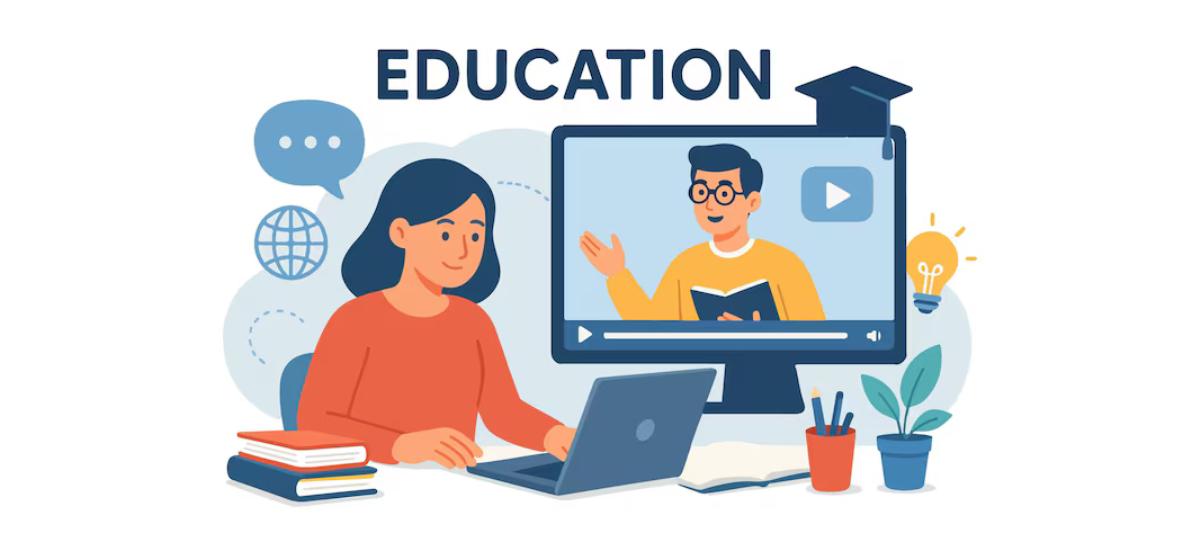
Online learning dramatically reduces these expenses. Cost benefits include:
Lower tuition fees
No commuting or relocation costs
Digital learning materials instead of expensive textbooks
Subscription-based or modular payment options
Many platforms offer affordable packages or even free introductory courses. This affordability enables students to explore multiple skill areas instead of being limited to a single academic track.
The return on investment (ROI) is often higher because students gain practical skills that directly enhance employability.
4. Career-Focused Skill Development
Modern education is increasingly focused on skills rather than degrees alone. Employers prioritize practical knowledge, industry readiness, and real-world problem-solving abilities.
Online learning courses help students build career-oriented competencies in areas such as:
Coding and software development
Digital marketing
Data science and analytics
Artificial intelligence
Graphic design
Business management
Communication and soft skills
These courses often include:
Real-world projects
Case studies
Assignments
Industry certifications
This hands-on approach ensures students are not only learning theory but also applying knowledge in practical scenarios. Online learning plays a crucial role in career building by aligning education with current market demands.
5. Personalized Learning Experience
Every student learns differently. Some grasp concepts quickly, while others need additional time and practice. Online platforms recognize this diversity and offer personalized learning experiences.
Personalization may include:
Adaptive learning paths
Customized recommendations
Progress tracking dashboards
Performance analytics
Tailored feedback
This data-driven approach allows students to identify strengths and weaknesses, adjust study patterns, and improve outcomes. Unlike traditional classrooms, where instruction often follows a single pace, online learning ensures that each student receives a customized educational journey.
6. Encourages Independent Learning and Self-Discipline
Online education fosters independence and responsibility. Since students manage their schedules and coursework, they develop essential life skills such as:
Time management
Self-discipline
Accountability
Goal setting
Focus and consistency
This self-driven approach builds confidence and prepares students for professional environments where independence and initiative are valued.
By taking ownership of their learning journey, students develop stronger decision-making skills and critical thinking abilities.
7. Enhances Digital Literacy and Technical Skills
In today’s technology-driven world, digital literacy is a fundamental requirement. Online learning exposes students to digital tools, collaboration software, virtual communication platforms, and interactive systems.
Students become comfortable with:
Video conferencing tools
Learning management systems
Online collaboration platforms
Digital research resources
These skills are essential for modern workplaces that rely on digital communication and remote collaboration. Online education not only teaches subject knowledge but also prepares students for a digital-first professional environment.
8. Global Exposure and Multicultural Learning
Online courses often attract students from diverse backgrounds and countries. This exposure to different cultures, perspectives, and ideas enriches the learning experience.
Benefits include:
Global networking opportunities
Exposure to international standards
Cross-cultural communication skills
Broader worldview
Such global awareness enhances adaptability and prepares students for international careers.
9. Wide Range of Course Options
Online platforms offer an extensive variety of courses, from academic subjects to niche skills and creative fields. Students can explore areas beyond their primary academic discipline.
Examples include:
Language learning
Photography and video editing
Entrepreneurship
Financial literacy
Public speaking
Personal development
This diversity allows students to discover passions, diversify skills, and expand career possibilities.
10. Continuous Learning and Upskilling Opportunities
The job market evolves rapidly. Skills that are relevant today may become outdated tomorrow. Online learning supports continuous upskilling and lifelong education.

Students can:
Enroll in short-term certification courses
Upgrade existing skills
Learn emerging technologies
Stay competitive in the job market
This culture of continuous learning ensures long-term professional growth.
Why Strawket Is a Strong Choice for Students
Strawket is redefining online education by combining accessibility, structure, and career-focused learning. It offers a student-centric model designed to build knowledge, skills, and confidence.
Strawket emphasizes:
Structured learning pathways
Career-oriented programs
Interactive and engaging content
Practical, real-world applications
Skill-based education models
Long-term career support
By integrating technology with strategic curriculum design, Strawket helps students transition from learning to earning with confidence. Its focus goes beyond academic instructionit aims to develop future-ready professionals equipped with both technical expertise and soft skills.
Conclusion
Online learning courses for students are transforming education in meaningful and lasting ways. They provide flexibility, affordability, personalization, accessibility, and career-oriented skill development.
The benefits extend beyond convenience. Online learning empowers students to:
Take control of their education
Develop practical, job-ready skills
Access global knowledge
Build confidence and independence
Prepare for a rapidly evolving digital world
With the right platform and disciplined approach, students can unlock their full potential and create strong academic and professional foundations.
As digital education continues to evolve, platforms like Strawket play a crucial role in shaping the future of learning. By offering structured, accessible, and career-focused programs, Strawket supports students in building not just qualificationsbut lasting success.
Tags: #Online Learning
~ Strawket Team